To keep your trees healthy and beautiful, you need to be proactive in monitoring and treating them for diseases. However, it’s not easy to tell if your tree is sick, especially if you don’t know what to look out for.
Do you know how to tell if a tree is sick? Here are five common signs of a sick tree that need attention, as advised by certified arborist services in Eureka, CA.
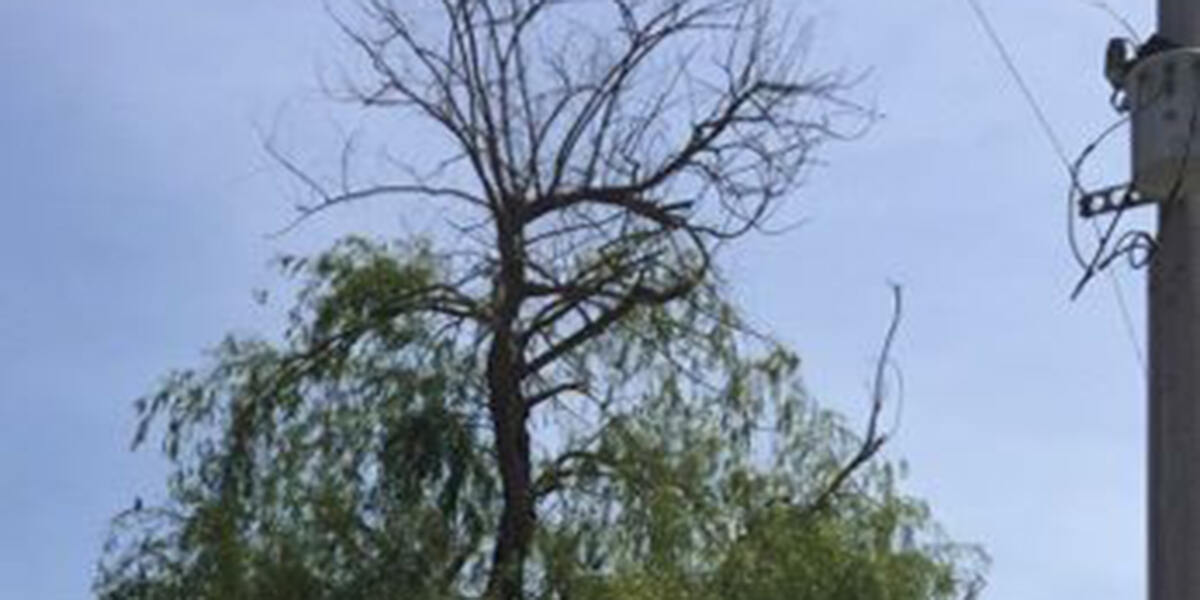
#1 Discolored Leaves
Does your tree have yellow leaves, and you’re certain it’s not the fall foliage warming up? Then, the tree could be lacking some essential nutrients. Yellowing leaves are usually a result of the following:
- Low soil pH. If your soil is highly acidic, nutrients like iron will be insoluble, which means that your tree cannot absorb them.
- Absence of nitrogen in the soil. This macronutrient promotes green growth.
- Inadequate soil minerals. Your tree can’t get all the nutrients it needs to thrive if the soil isn’t healthy and replenished.
If you notice browning and dying leaves in California, it could also indicate salt damage from salt spray or winter road salt. Additionally, black spots on tree leaves can be a sign of fungal infections or diseases that require attention from a tree care professional.
#2 Wilting Leaves
Never ignore wilting leaves on your tree. Leaves help plants harvest sunlight and process it into food energy. When leaves wilt, they don’t work at their full potential. The entire tree will bear the brunt.
Your tree leaves may wilt due to heat stress, drought stress, soil water logging, or diseases like fire blight (infected leaves wilt and appear burned).
#3 Leaning Tree
Have you noticed your tree’s trunk leaning? You need to act quickly to prevent further damage. Large unstable trees often fall over without warning, so look for the following signs to tell whether your leaning tree is sick:
- Sunken areas on the bark
- Presence of pests and infestations
- Oozing wounds or cankers on the trunk
- Cracking or swollen raised areas on the bark
- Sawdust at the base of the tree’s trunk
These symptoms may indicate a struggle against decay and loss of trunk strength or supporting roots. If you notice mushrooms or any other fungal growth on your tree’s bark, it indicates that the tree is decaying because fungi use the nutrients from the rotting process to grow.
#4 Dying or Dead Branches
If you notice large branches breaking, or if you need to save a young tree with damaged bark, call a qualified professional to inspect your tree fast. You could be dealing with a grievous tree-health issue. Healthy trees don’t drop large branches, and young trees with damaged bark require immediate attention to prevent further decline.
#5 Spots on Fruit, Leaves, or Bark
Bacterial and fungal diseases cause spots and blemishes on trees, leaves, and fruit. They may even cause bark damage. To determine if the spots on your tree mean trouble, call a certified arborist.
Contact Your Local Tree Experts for Assistance
It’s not easy knowing how to tell if a tree is sick, so schedule an arborist consultation with local experts like 3 Dads Tree Services if you notice a leaf drop or other signs of distress.
We provide a wide range of services, including the following:
- Tree planting
- Tree removal
- Tree pruning and trimming
Contact 3 Dads Tree Services at (707) 506-6602 for a free estimate! Some trees may also develop curly leaves, which can be an early indicator of stress or pest infestations.
One Response